
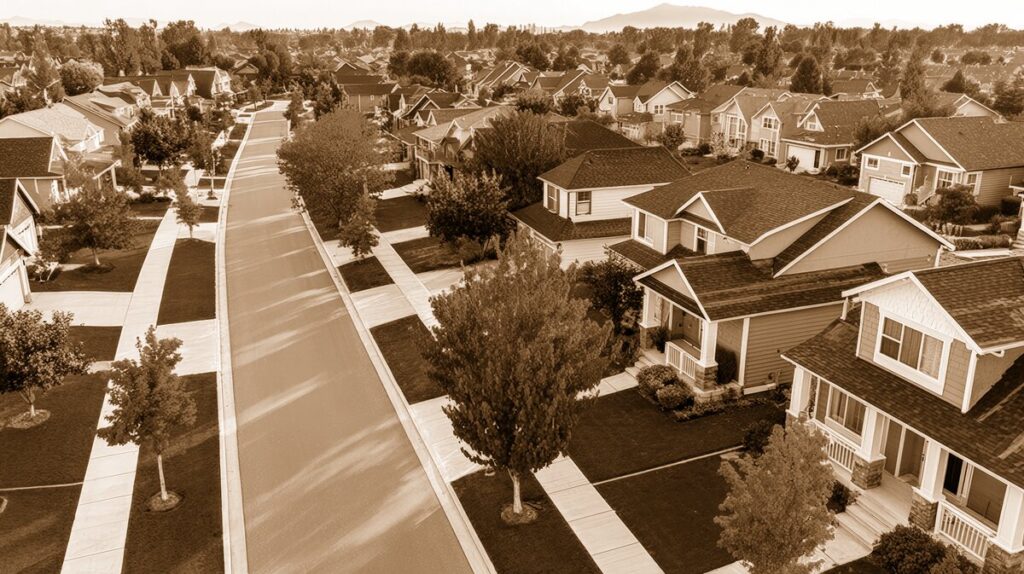
Nestled near the heart of Greeley, just west of downtown, the Cranfords neighborhood is a living tapestry of century-old trees, stately homes, and a rich local history that continues to shape its identity. For longtime residents and newcomers alike, there’s a sense of timelessness here, as if every sidewalk, leafy street, and historic structure has a story to tell. Let’s take a walk through the origins, landmarks, and evolution of Cranfords—a treasured Greeley gem.
Origins: How Cranfords Found Its Name
Cranfords’ story begins in the early 20th century. Named after the prominent Cranford family—early settlers and influential figures in Greeley’s civic and educational development—the neighborhood reflects both their legacy and the city’s larger ambitions. The Cranfords were known for their civic-mindedness, generosity, and involvement with the University of Northern Colorado (then known as the Colorado State Normal School). Their efforts helped transform this part of town from simple prairie into a tree-lined residential haven.
The name "Cranfords" became synonymous with gracious living and close-knit community—a value that holds true even today.
Key Historical Milestones
From farmland to flourishing suburb, Cranfords’ journey mirrors the growth of Greeley itself:
- Early 1900s
Developers began subdividing lots as Greeley expanded westward. The neighborhood, bordered roughly by 14th to 17th Streets and 8th to 11th Avenues, quickly became popular with university faculty, professionals, and families drawn by the proximity to downtown and campus.
- 1920s–1930s
Cranfords blossomed with Craftsman, Colonial Revival, and Tudor Revival homes, many of which still grace the tree-shaded streets. The legacy of those early residents is evident in the careful preservation of architectural details—a testament to the pride taken in homebuilding and neighborhood aesthetics.
- Postwar Years
The 1950s brought a fresh wave of residents and modernization, but Cranfords retained its original charm owing to strict zoning laws and the efforts of active neighborhood associations.
- Historic Recognition
In recent decades, Cranfords has been recognized as one of Greeley’s most desirable and historic neighborhoods. The Cranfords Historic District, established to celebrate the unique architectural and cultural heritage, remains a point of pride for locals.
Notable Landmarks and Institutions
One of Cranfords’ most endearing qualities is its wealth of landmarks and proximity to iconic Greeley destinations:
- Jesse S. Crandall House (1520 9th Avenue)
A beautifully preserved Craftsman-style residence, this home stands as a tribute to the neighborhood’s roots, echoing the architectural trends of the 1910s and 1920s.
- University of Northern Colorado
The eastern edge of Cranfords borders the historic UNC campus. Faculty and students have long called the neighborhood home, giving it an academic, cosmopolitan flair.
- Cranford Park
This small neighborhood green is a favorite with families and dog-walkers. The park’s mature shade trees and cozy ambiance make it a gathering place for generations of residents.
- First Congregational Church (2101 16th Street)
While technically on the edge of Cranfords, this landmark has served as a spiritual and cultural touchstone for the greater Greeley community since its founding.
Life on the Tree-Lined Streets
Stroll down 10th or 11th Avenue, and you’ll pass lovingly restored bungalows, each with its own personality—front porches trimmed with gingerbread, gables tucked beneath elms, and gardens ablaze with color every summer. The streetscape is unified by broad sidewalks, period street lights, and the lush canopy that’s become a Cranfords signature.
Notable streets like 15th Street and 16th Street are famous for their annual neighborhood gatherings, where potlucks and porch concerts are as common as friendly waves from neighbors. Heritage-minded homeowners celebrate Cranfords’ vintage character by preserving original woodwork, brickwork, and leaded glass windows.
Evolution Over the Decades
Cranfords’ appeal has endured through times of change. In the 1970s and 80s, urban revitalization trends brought new life to older homes—many of which were carefully remodeled rather than replaced. The result: a vibrant blend of old and new, where families, retirees, and university students share a sense of stewardship for the neighborhood’s past and future.
Recent years have seen a resurgence in neighborhood pride, thanks in part to Cranfords’ active historic preservation groups and community events. From annual holiday home tours to garden walks and volunteer cleanups in Cranford Park, the spirit of engagement is alive and well.
What Makes Cranfords Special
What truly sets Cranfords apart is the connection between people and place. Neighbors look out for one another, whether it’s sharing tomatoes from the garden or helping shovel snowy sidewalks after an early spring storm. The sense of continuity—of walking the same streets and tending to the same homes as generations past—is palpable.
From the towering cottonwoods of 14th Street to the stately maples shading 17th, Cranfords is a neighborhood where family histories are still being written, and the echoes of its founders shape daily life. To live here is to be part of something enduring, something that grows richer with each passing year.
For anyone wanting a true taste of Greeley’s heritage, Cranfords isn’t just a place on the map—it’s an invitation to become part of a story that began over a hundred years ago and continues to unfold, one welcoming doorstep at a time.